Study in Germany from India: courses, costs, scholarships and post-study work
- Intakes
- October (winter), April (summer)
- Tuition
- €0 at most public universities; semester fee €150–350 (Baden-Württemberg €1,500 a semester)
- Post-study
- 18-month job-search permit
- Figures verified
- Sept 2026
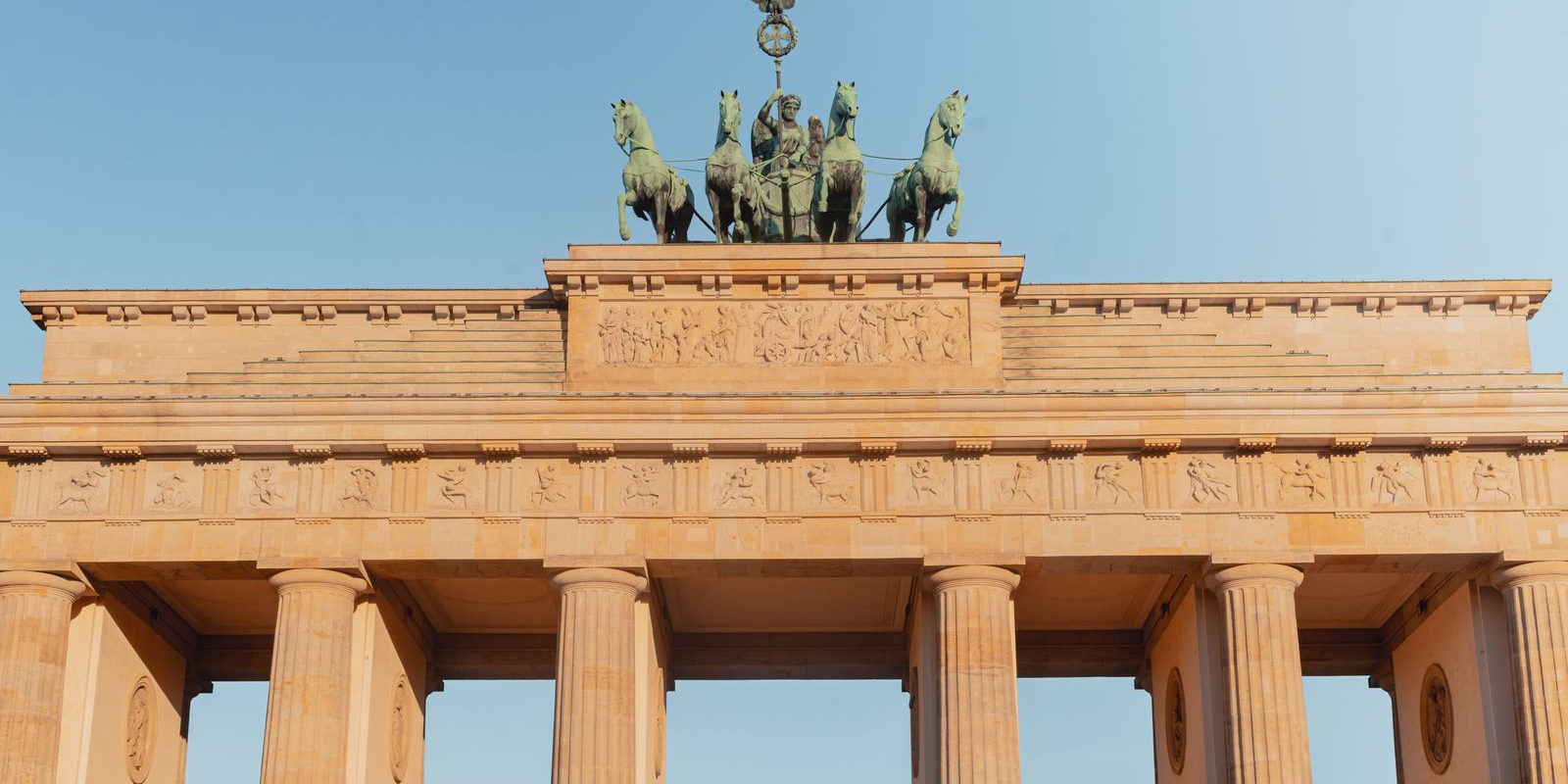
Public universities charge no tuition for most programmes, engineering is world-leading, and an 18-month job-search permit follows graduation. The trade-off: an APS certificate, a blocked account and, for many courses, German.
Courses in demand, ranked by outcome
- 01
Mechanical & Automotive Engineering
MScGermany's core industry; engineers qualify for the reduced Blue Card salary.
- 02
Electrical & Embedded Systems
MScSemiconductors, automation and e-mobility are all hiring.
- 03
Computer Science, AI & Data Science
MScEnglish-taught at most technical universities.
- 04
Industrial Engineering & Management
MScEngineering plus business; popular with Indian mechanical graduates.
- 05
Renewable Energy & Environmental Engineering
MScThe Energiewende needs engineers faster than Germany produces them.
- 06
Nursing & hospitality Ausbildung
Paid apprenticeship · 2–3 yearsEarn while you train; leads to a Skilled Worker permit and settlement in two years.
The typical path to settlement
- 1Student visa2–4 years
- 2Job-search permit18 months
- 3EU Blue Card or work permit4 years
- 4Settlement permit21–27 months on a Blue Card
- 5German citizenship5 years; 3 with strong integration
Timelines are typical; the visa section below has the full route list for Germany.
Scholarships and funding
- ★DAADGovernment scholarships for master's and PhD, including EPOS development-related courses; about €992 a month plus travel and insurance.
- ★Deutschlandstipendium€300 a month merit award at participating universities, open to any nationality.
- ★Erasmus Mundus Joint MastersEU-funded, fully funded two-year master's taught across several countries.
- ★Political foundationsHeinrich Böll, Konrad Adenauer and Friedrich Ebert scholarships for master's students with strong profiles.
Universities students ask about
Examples, not a partner list.
- APS certificate
- Uni-assist and direct applications
- Blocked account
- German language partners
- The Ausbildung route for nursing and hospitality
Quick answers
- When are the intakes in Germany?
- Intakes: October (winter), April (summer).
- How much does it cost to study in Germany?
- Tuition: €0 at most public universities; semester fee €150–350 (Baden-Württemberg €1,500 a semester).
- Can I stay and work in Germany after my degree?
- Post-study: 18-month job-search permit.
- Can I work part-time while studying in Germany?
- Part-time work: 140 full days a year.
- Do I need to know the local language to study in Germany?
- Language: English-taught master's need IELTS 6.5; German A1–B2 helps and is required for nursing and Ausbildung.
- Which courses are in demand for Indian students in Germany?
- Mechanical & Automotive Engineering (MSc): Germany's core industry; engineers qualify for the reduced Blue Card salary.; Electrical & Embedded Systems (MSc): Semiconductors, automation and e-mobility are all hiring.; Computer Science, AI & Data Science (MSc): English-taught at most technical universities.; Industrial Engineering & Management (MSc): Engineering plus business; popular with Indian mechanical graduates.; Renewable Energy & Environmental Engineering (MSc): The Energiewende needs engineers faster than Germany produces them.; Nursing & hospitality Ausbildung (Paid apprenticeship · 2–3 years): Earn while you train; leads to a Skilled Worker permit and settlement in two years.
- Which scholarships can Indian students apply for in Germany?
- DAAD: Government scholarships for master's and PhD, including EPOS development-related courses; about €992 a month plus travel and insurance. Deutschlandstipendium: €300 a month merit award at participating universities, open to any nationality. Erasmus Mundus Joint Masters: EU-funded, fully funded two-year master's taught across several countries. Political foundations: Heinrich Böll, Konrad Adenauer and Friedrich Ebert scholarships for master's students with strong profiles.
- Which universities in Germany do students ask Zolt Link about?
- TU Munich, RWTH Aachen, TU Berlin, University of Stuttgart, KIT Karlsruhe, TU Darmstadt. These are examples students commonly ask about, not a partner list.
- What does Zolt Link handle for a student going to Germany?
- APS certificate, uni-assist and direct applications, blocked account, German language partners, and the Ausbildung route for nursing and hospitality.
Requirements, salary thresholds and government charges shown here are the headline rules as at and change often; every requirement is re-checked against the official source on the day a file is prepared. General information, not legal advice. Last reviewed .
All study destinations
Talk it through with a case manager
A free 30-minute consultation, in English, Tamil, Malayalam or Hindi, ends with a written plan for your profile.